Pollinator Garden
Supporting Pollinators at Astoria: A Community-Built Garden
Pollinators – including bees, butterflies, hummingbirds, and other beneficial insects – are essential to the health of natural ecosystems and human food systems. These species are responsible for the reproduction of more than 75% of flowering plants and nearly 35% of global crop production. Despite their importance, many pollinator populations are in decline due to habitat loss, pesticide use, and climate change.
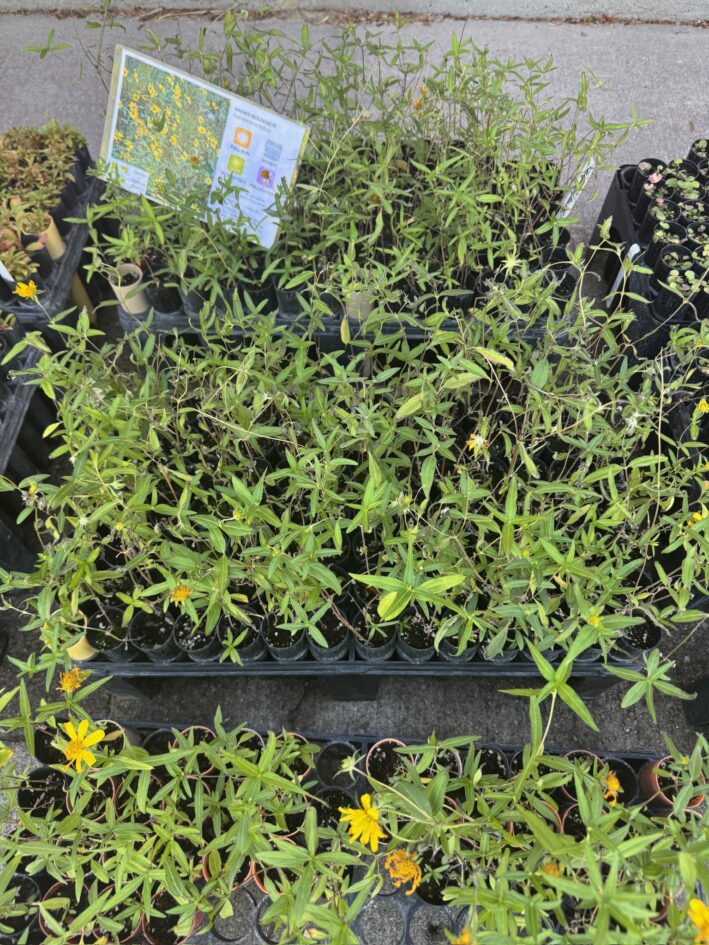
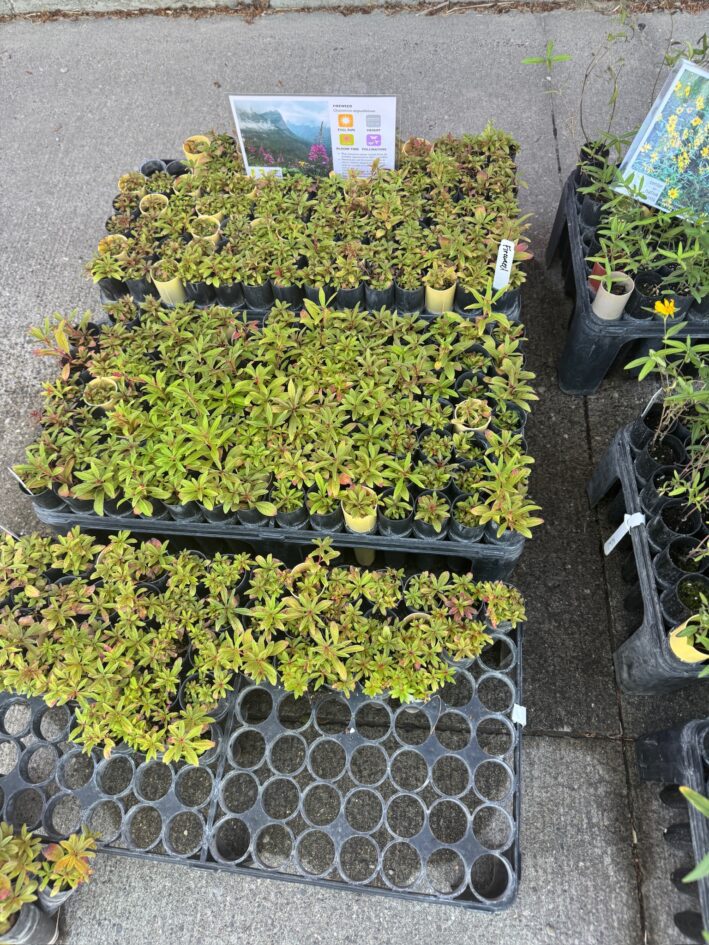
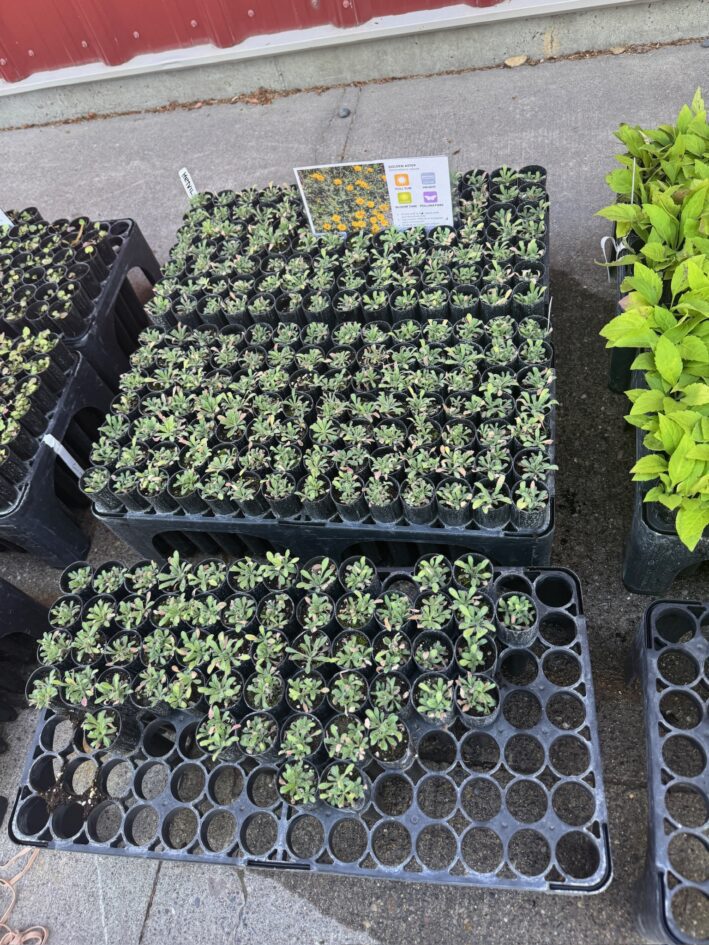
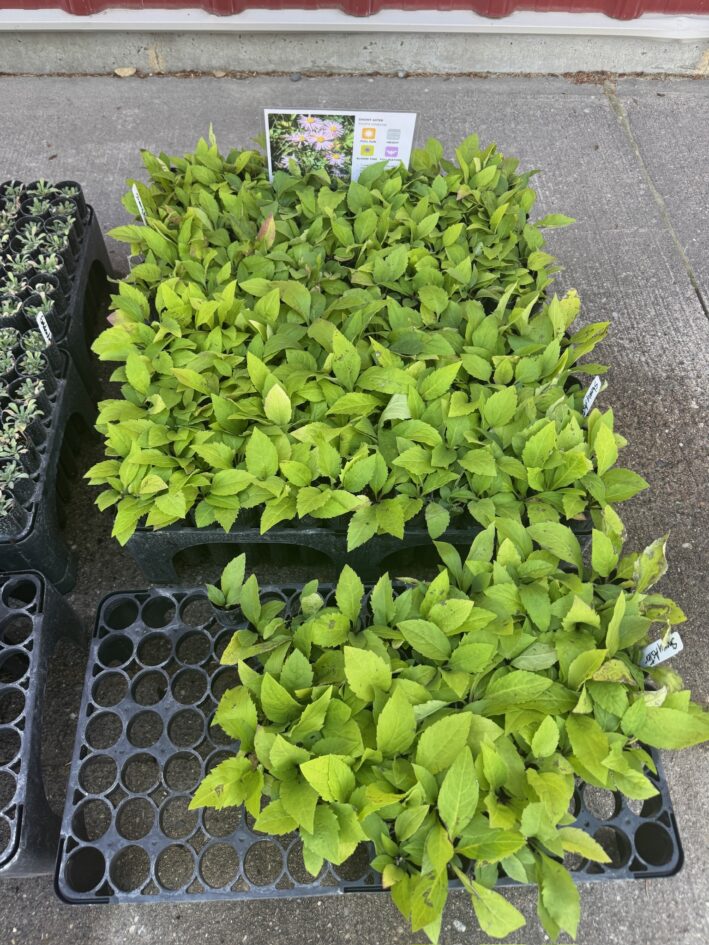
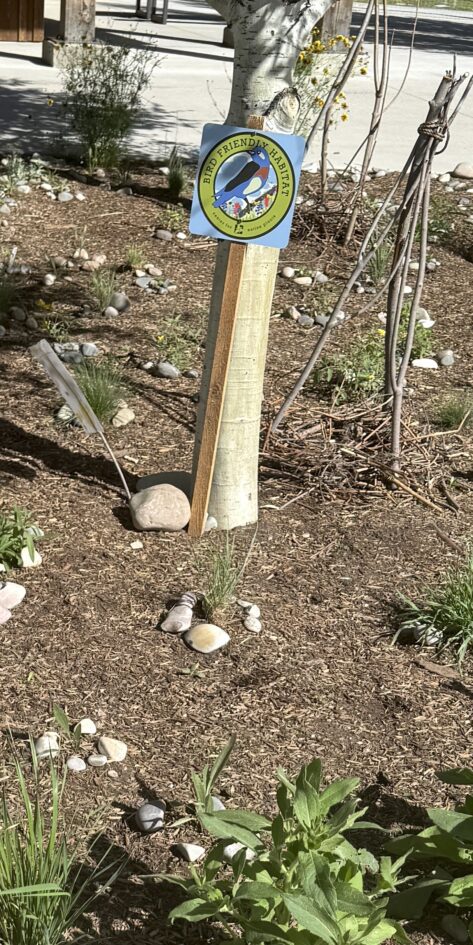
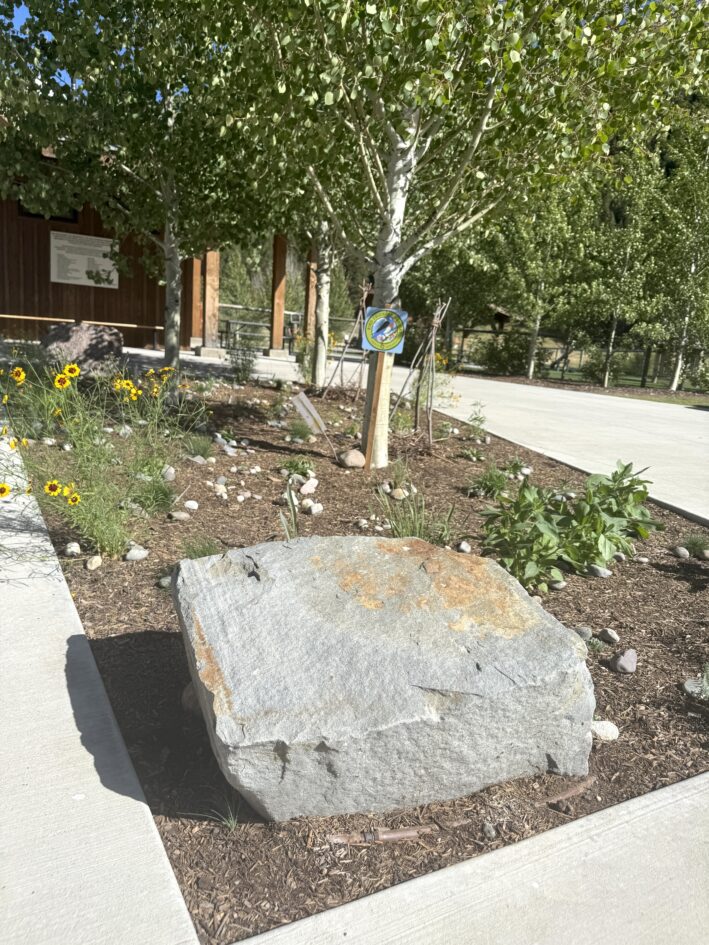
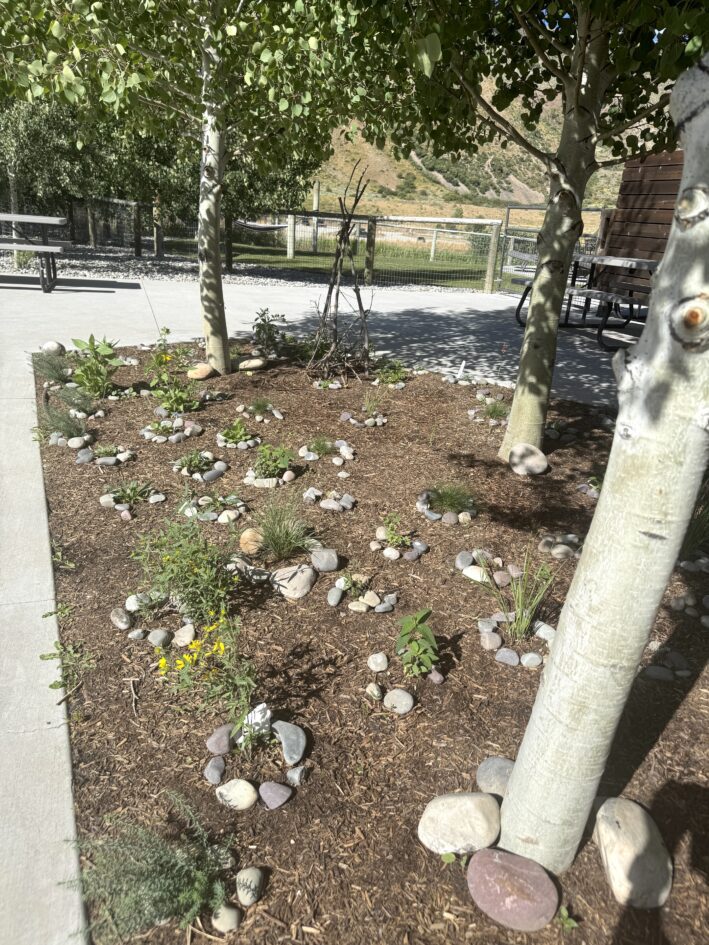
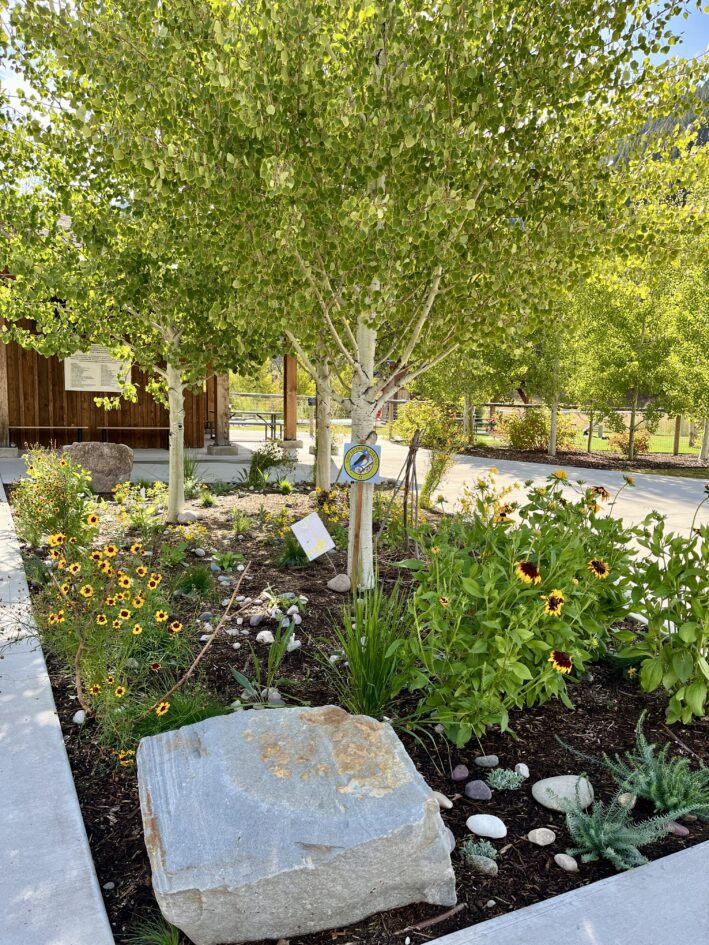
To help address this, Astoria Park Conservancy has established a dedicated pollinator garden on site. This space is designed to provide critical foraging habitat and shelter for pollinators, while also enhancing soil health, supporting local biodiversity, and contributing to climate resilience.
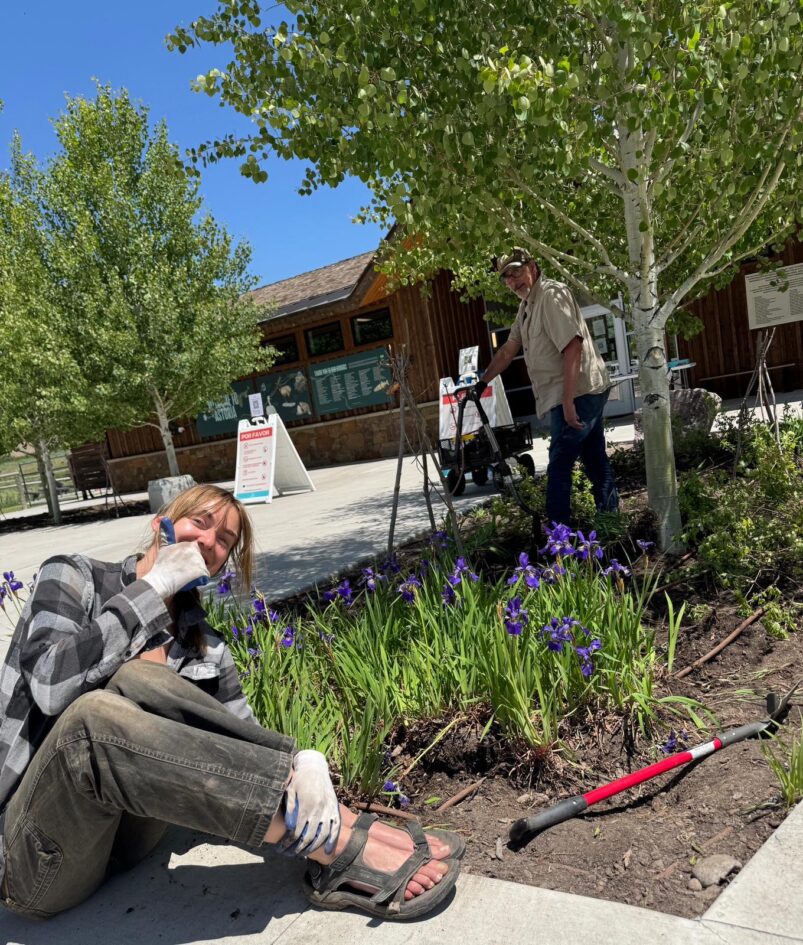
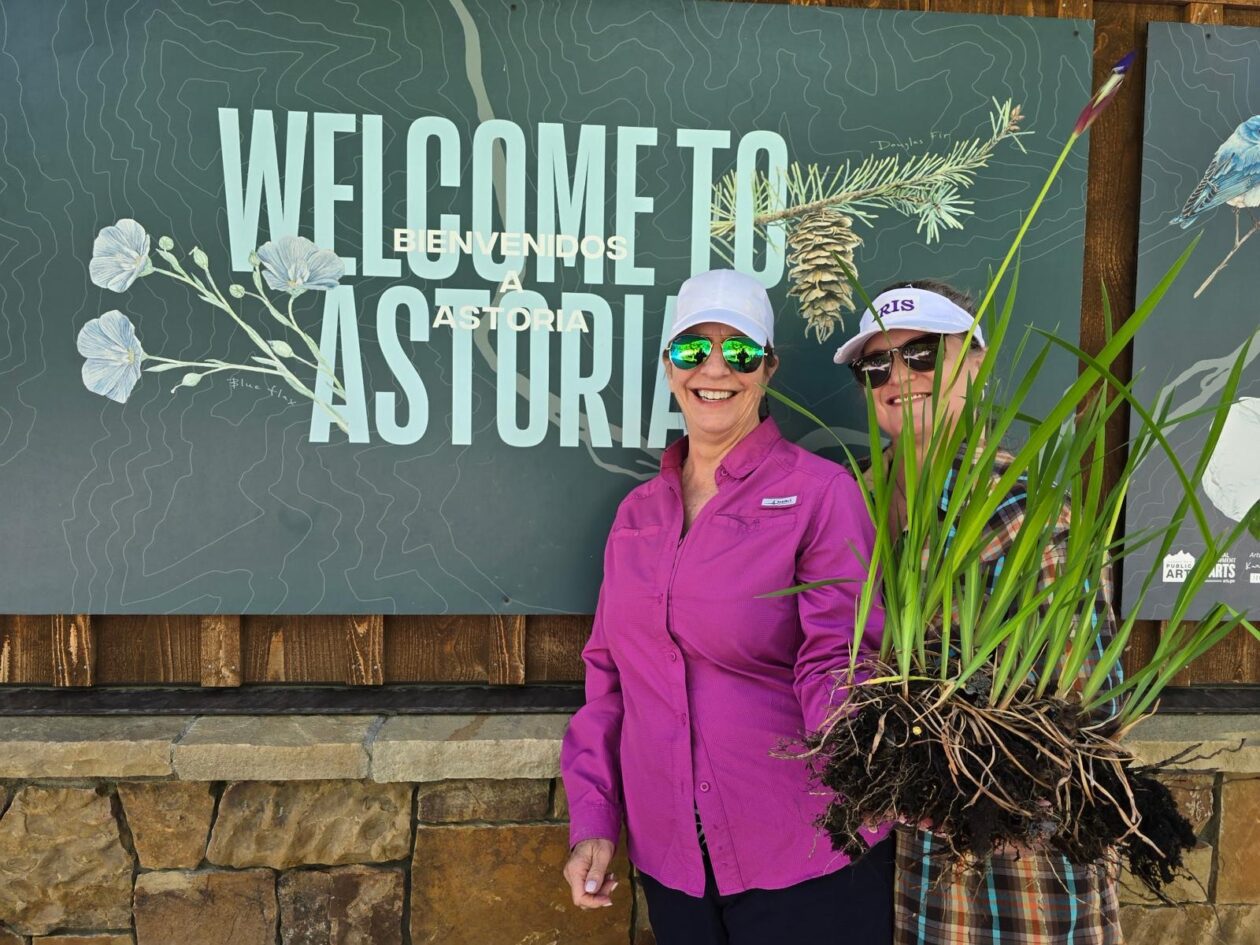
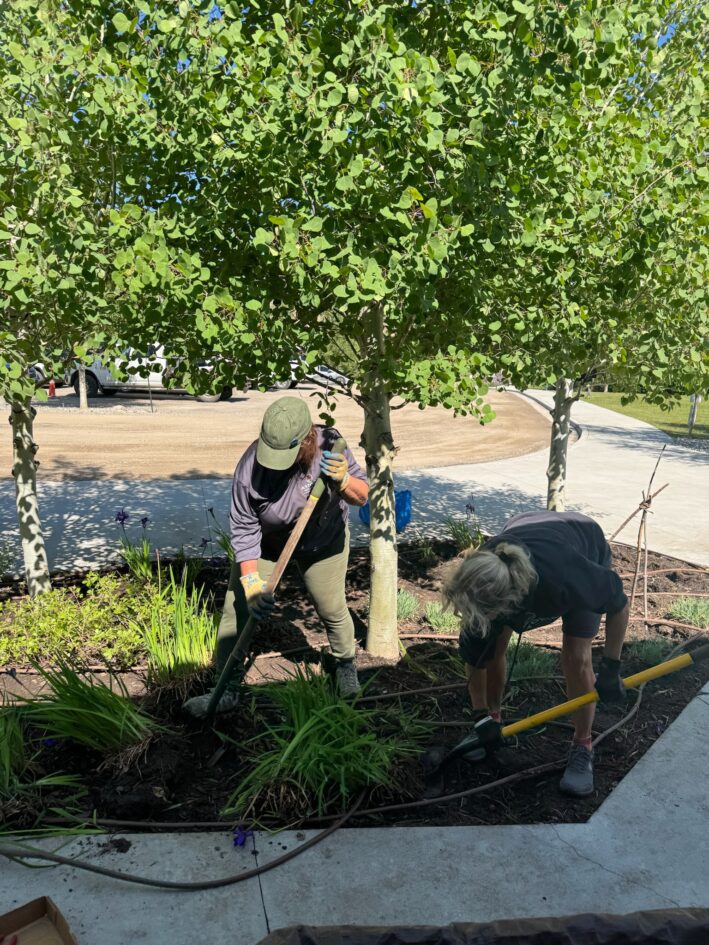
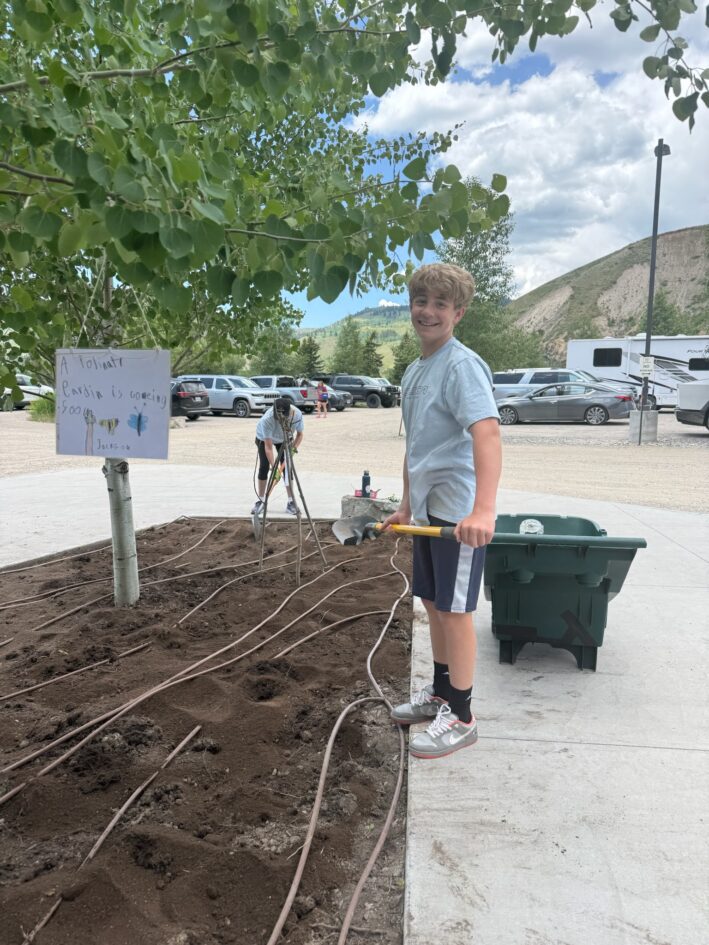
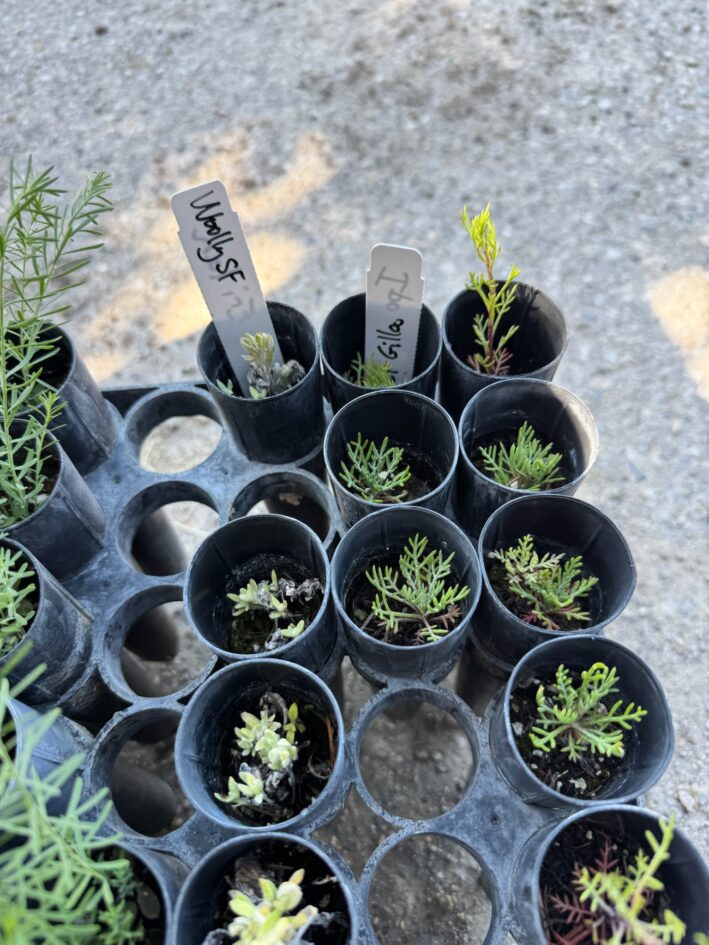
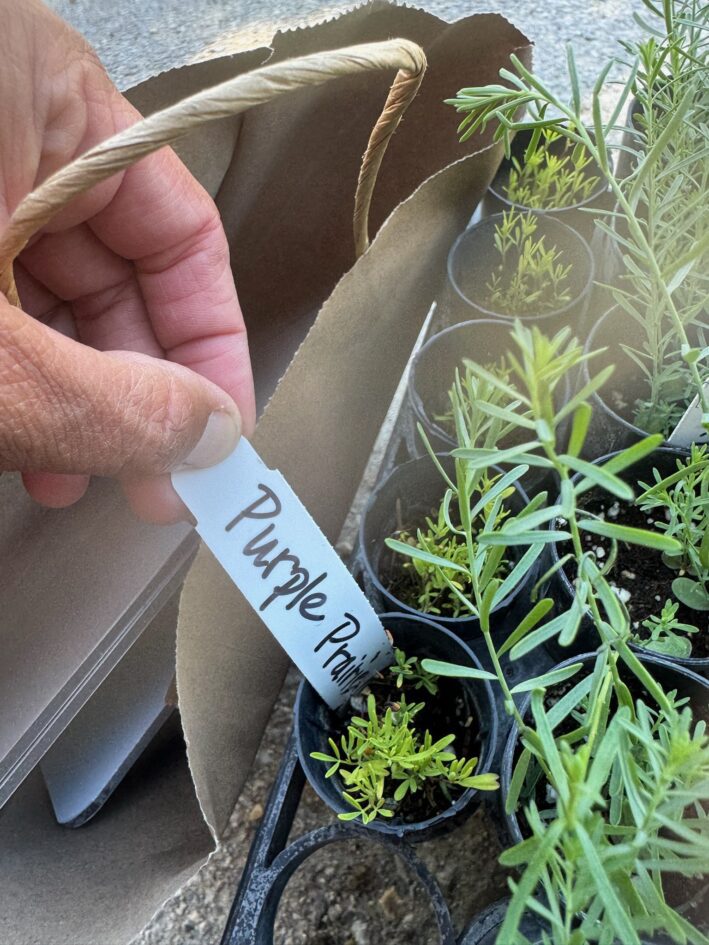
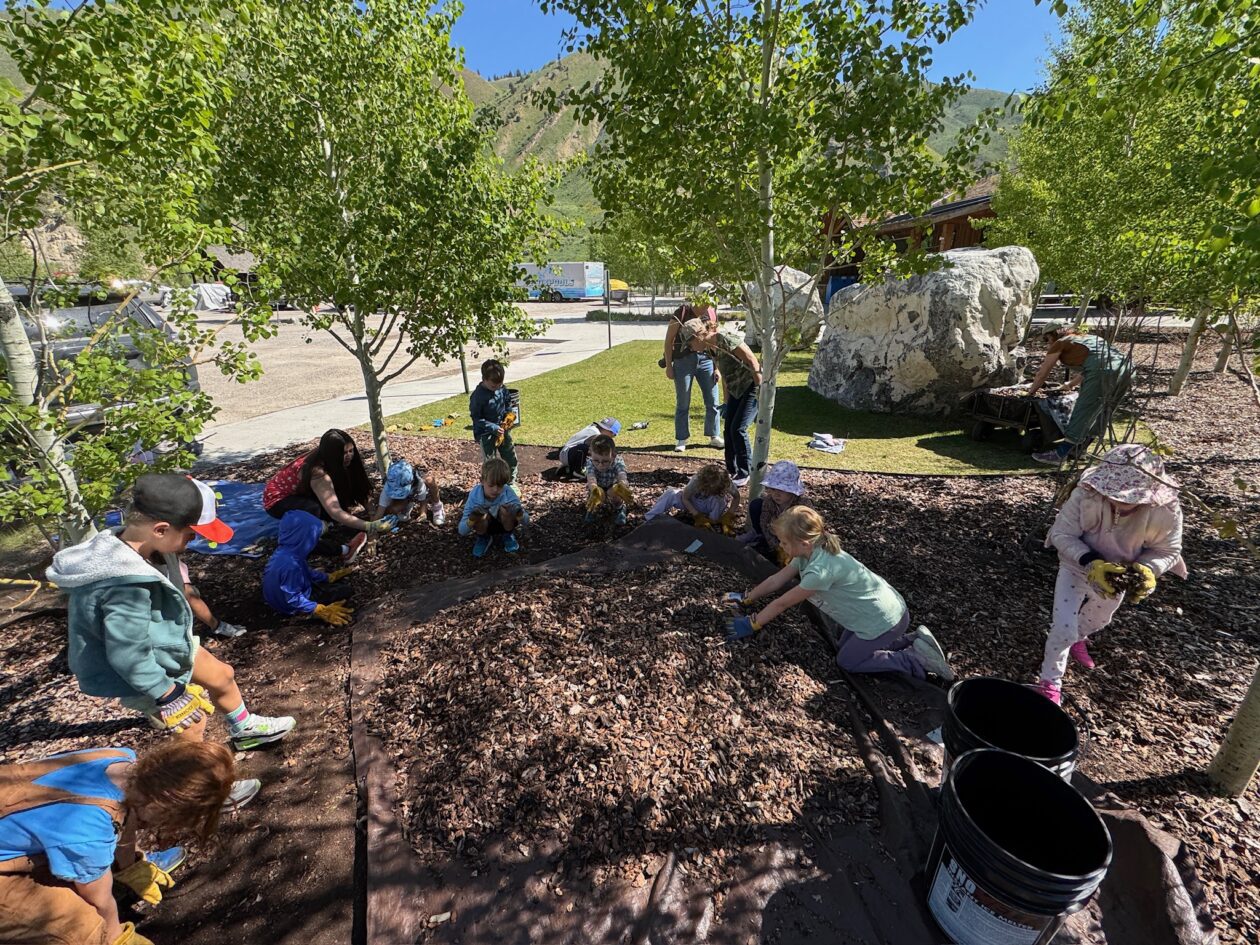
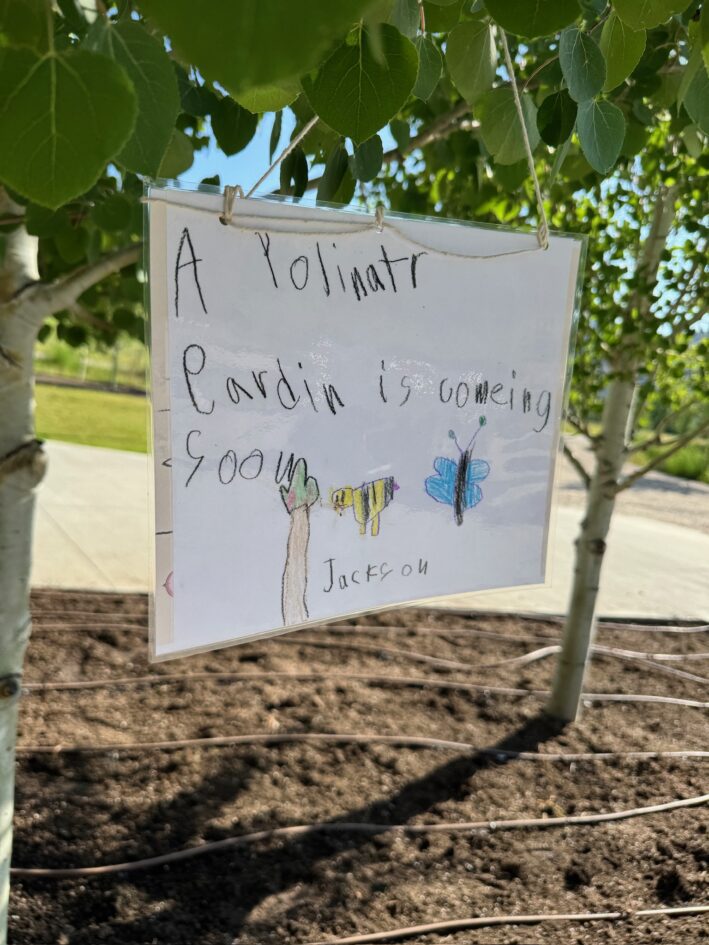
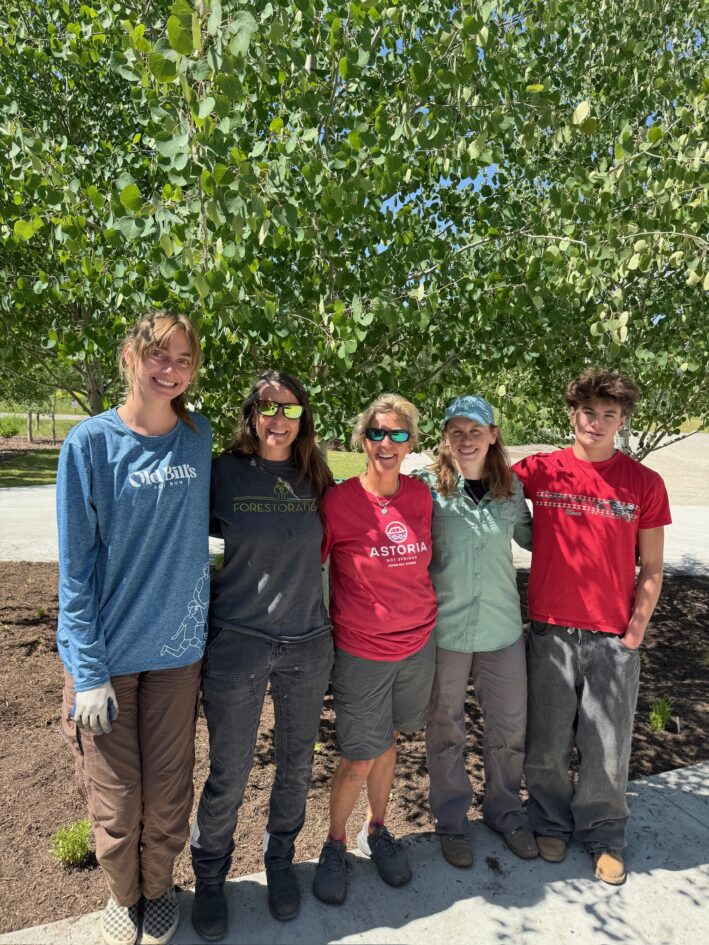
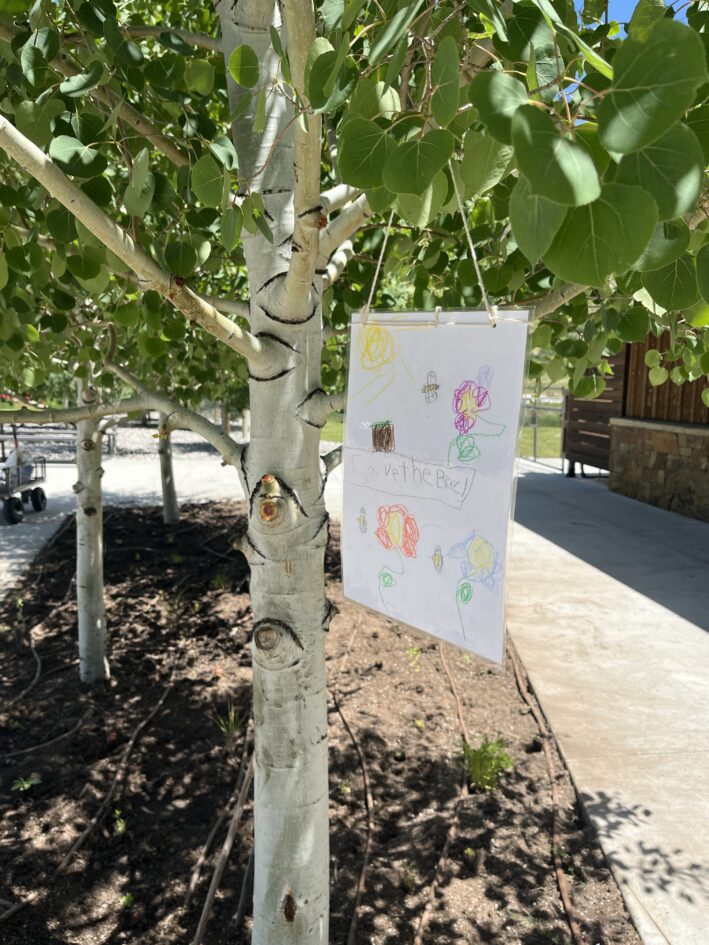
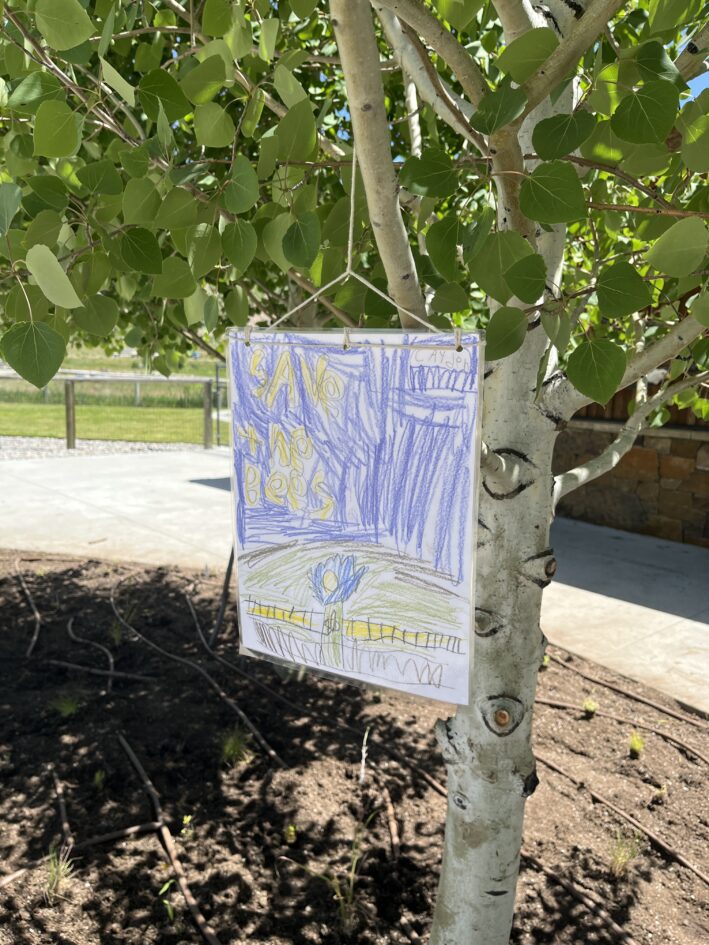
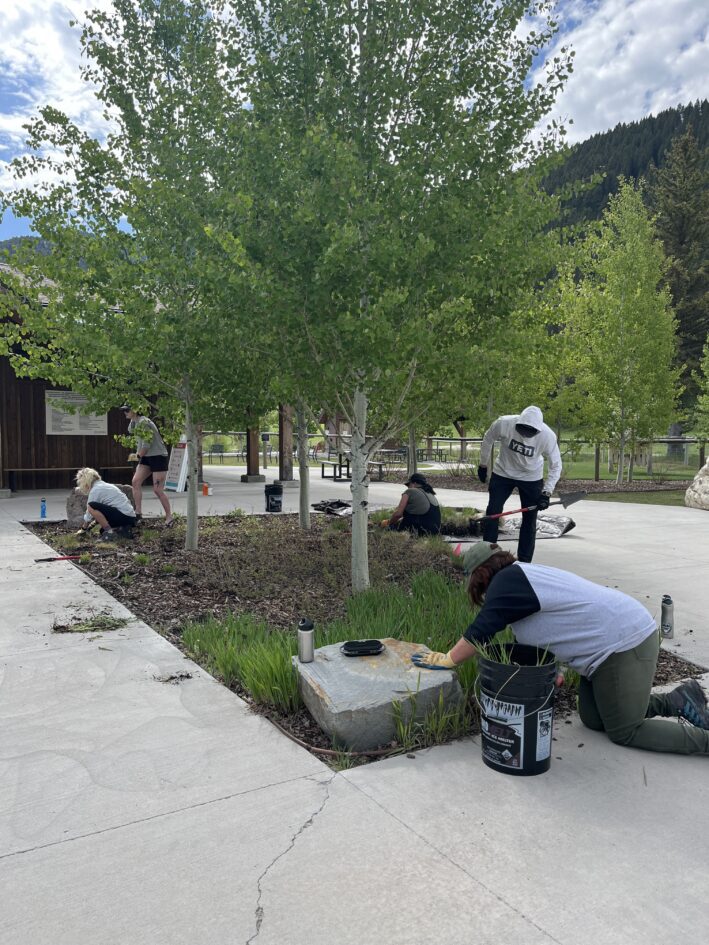
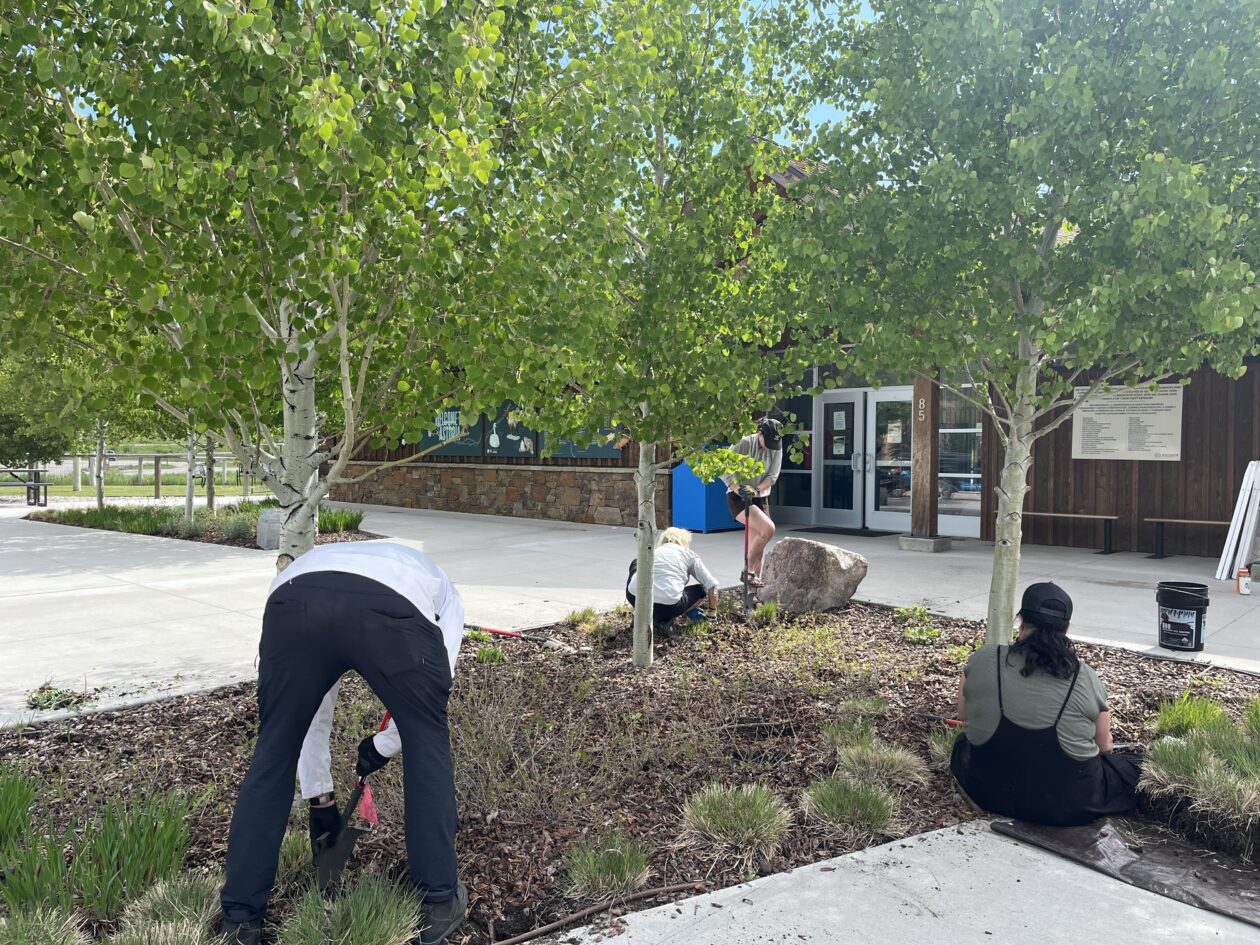
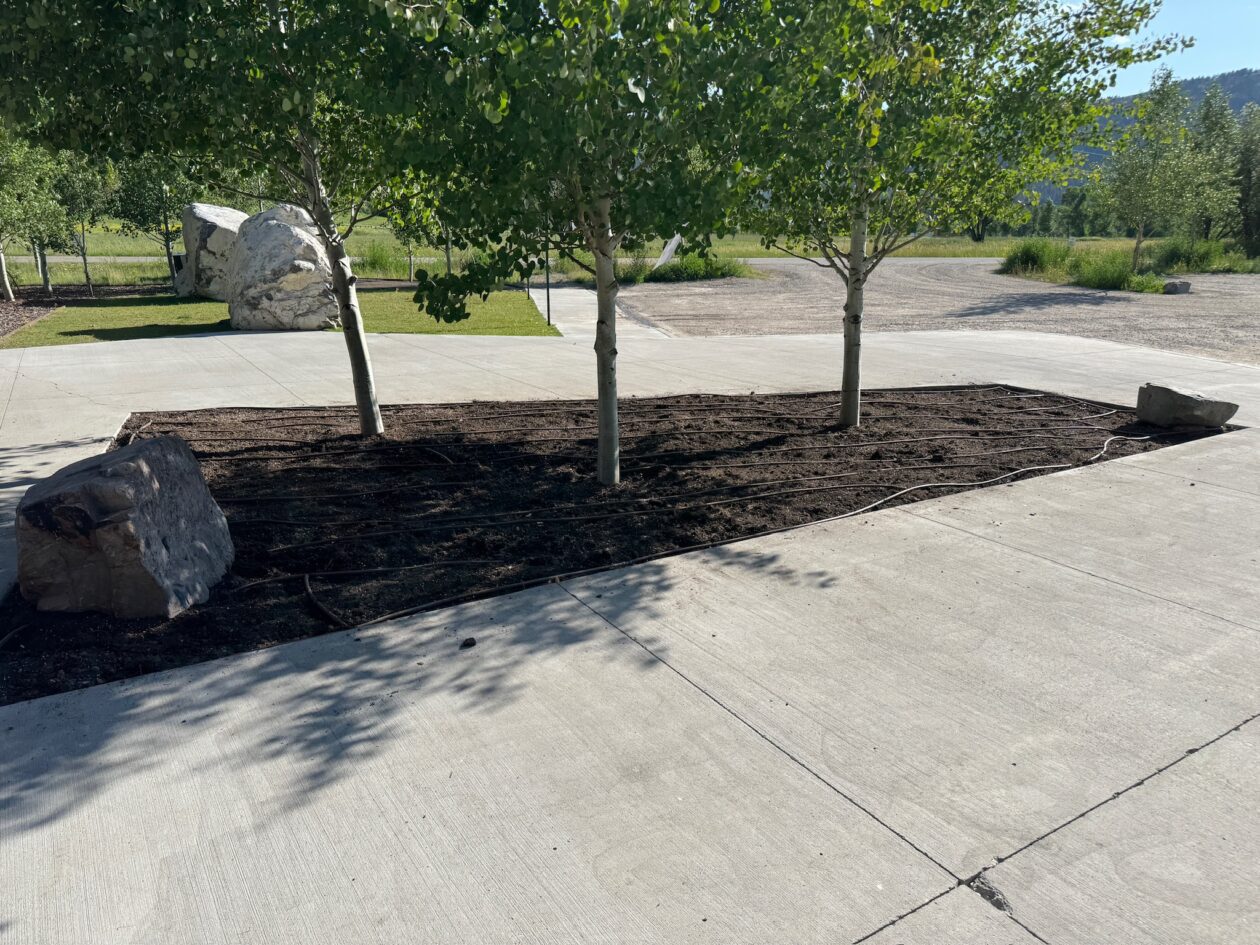
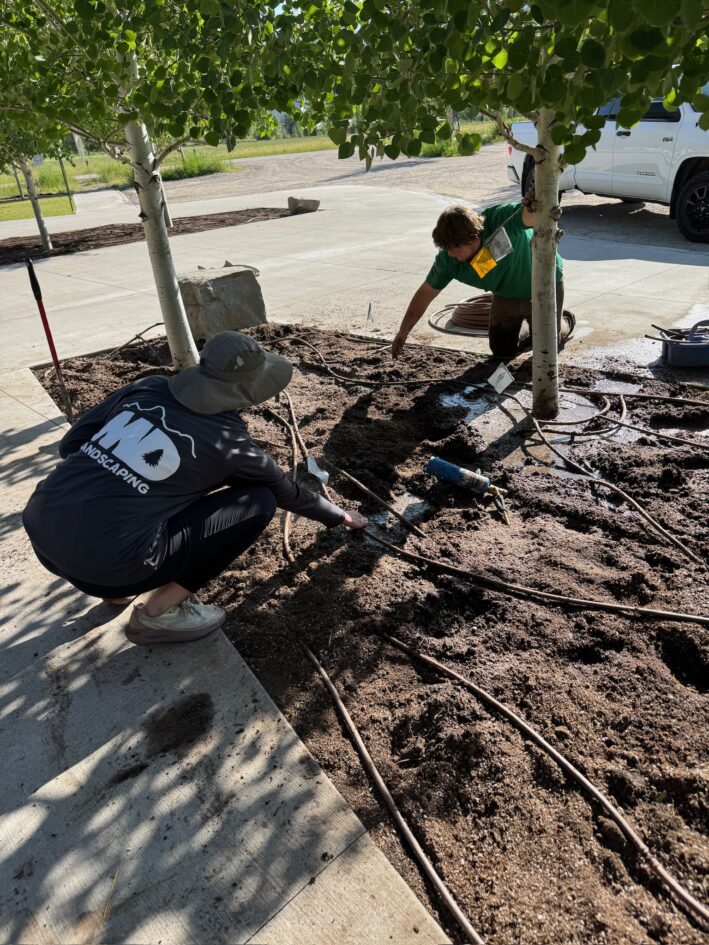
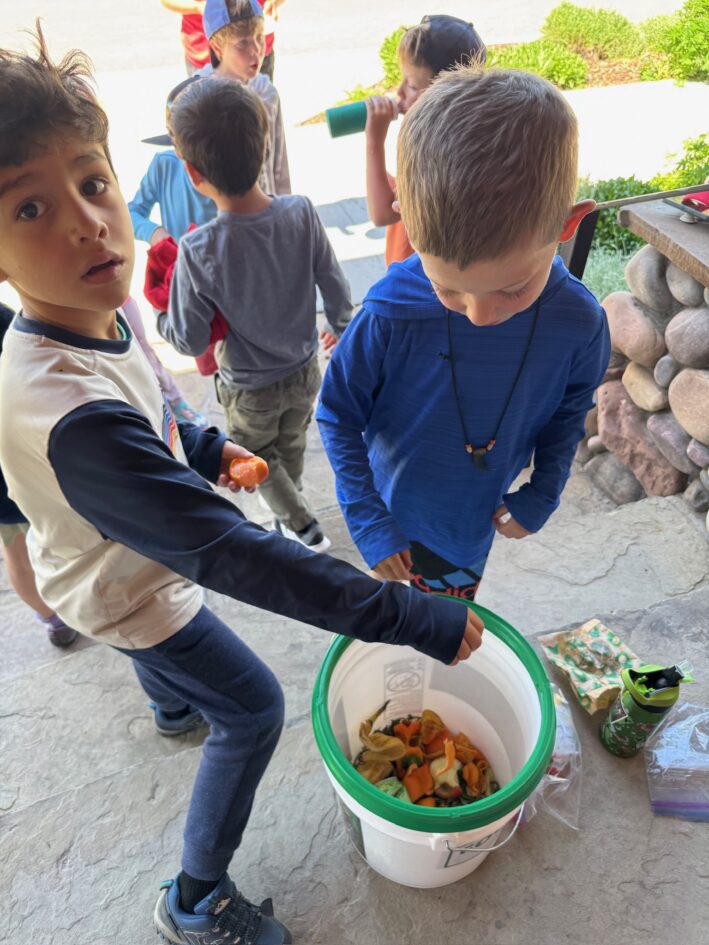
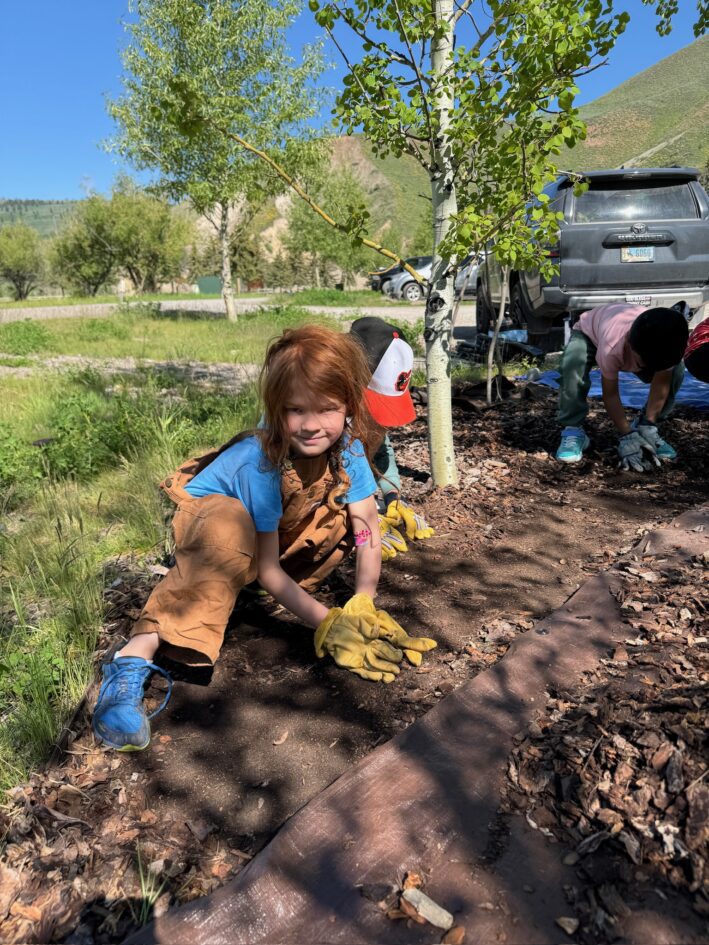
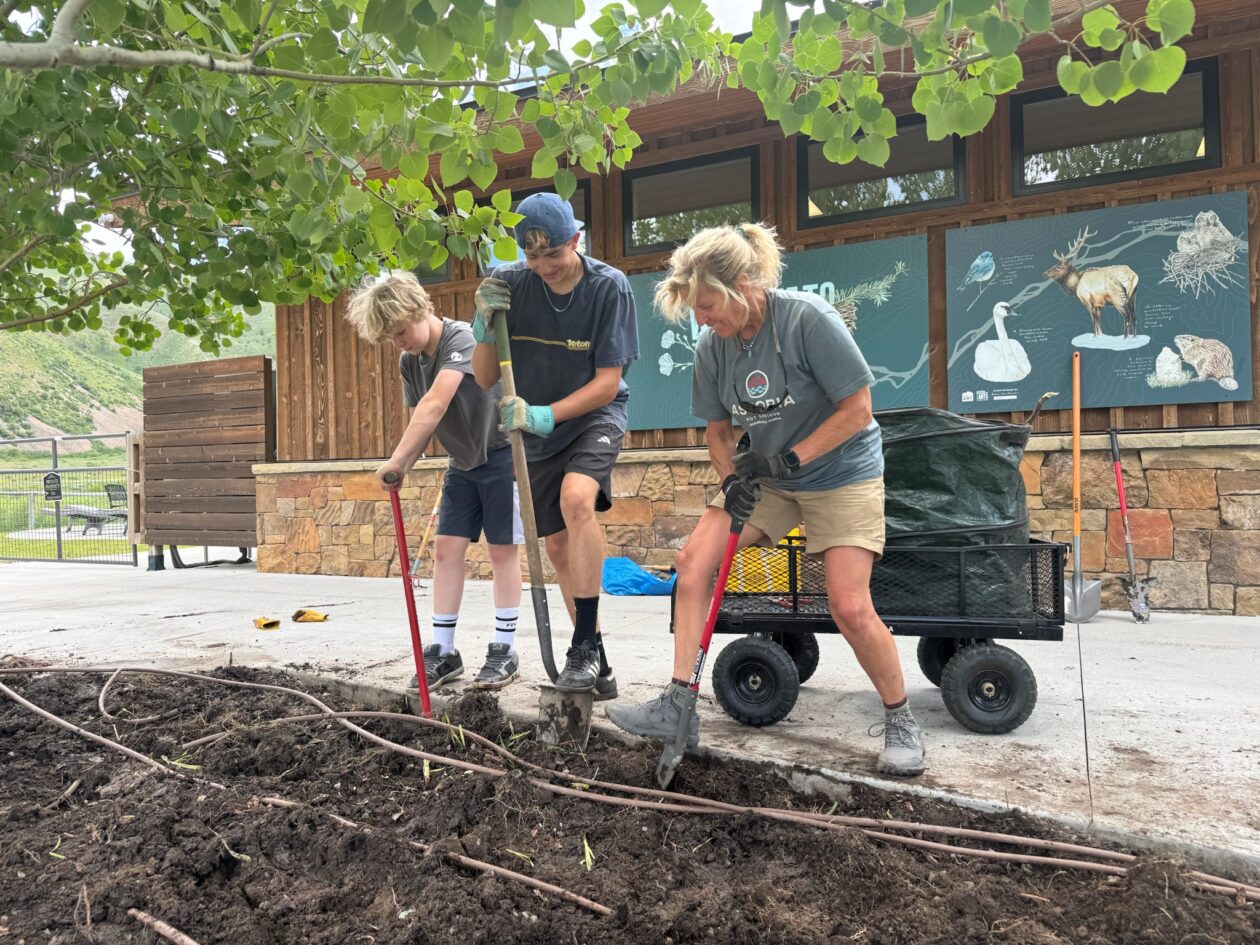
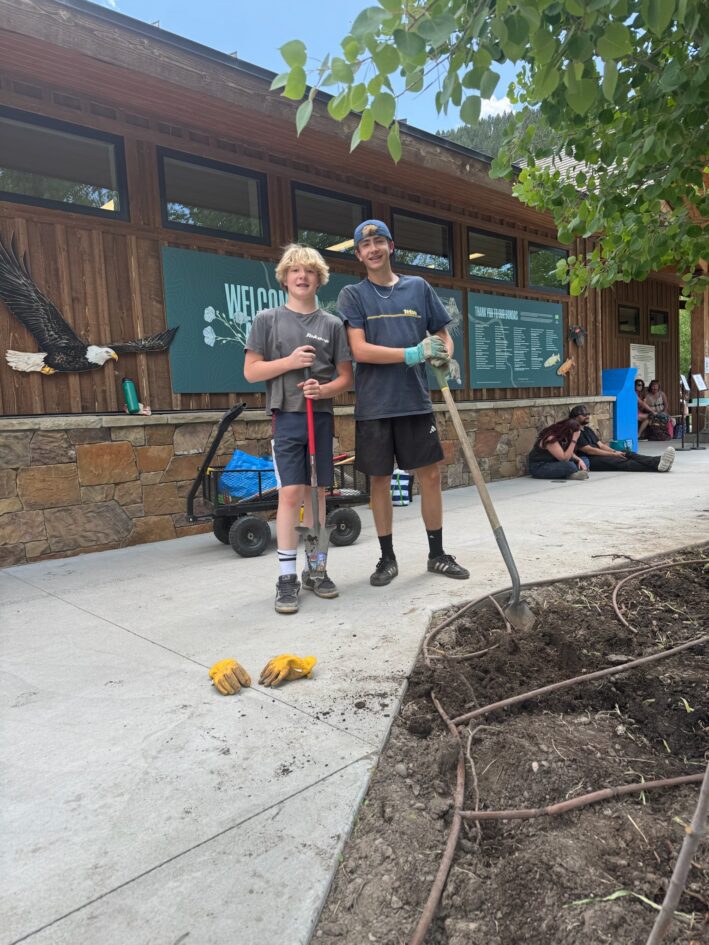
The creation of the garden was a community effort. Kindergarten students from Jackson Elementary School (JES) contributed educational signage and helped build habitat structures called, ‘bug snugs’, incorporating creativity and environmental awareness at an early age. Volunteers from across the valley participated in the planting process, working together to establish a diverse array of native, pollinator-friendly species in newly amended soil enriched with compost.
The pollinator garden project came to life thanks to the generous support of our partners, including Agrostis Inc, Teton Botanical Garden, Center for Native Plants, Porcupine Nursery, and MountainScapes. We also extend our appreciation to our dedicated volunteers and to Bari Bucholz, Astoria’s Manager of Educational Programming, for leading the coordination and implementation of the garden.
The native plant garden promotes biodiversity for Teton County’s broader insect pollinators, including many bees, wasps, butterflies, and moths, numbering in the low to mid-thousands. Additionally, three hummingbird species often frequent Astoria.
We invite all visitors to explore the pollinator garden during their next trip to Astoria Hot Springs. It’s located along the pathway to the pools and serves as both a vibrant natural space and an educational resource about the essential role of pollinators in our environment.
This project is made possible thanks to grant funding from the Meg and Bert Raynes Wildlife Fund, Teton Conservation District, and the Community Foundation of Jackson Hole.
POLLINATOR GARDEN